

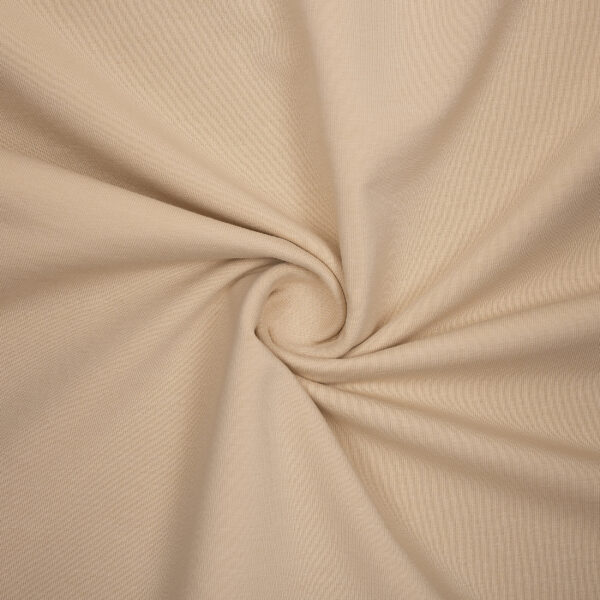
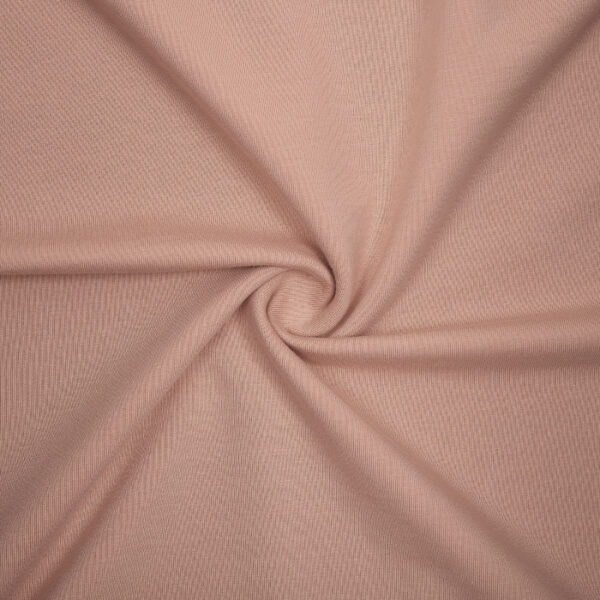
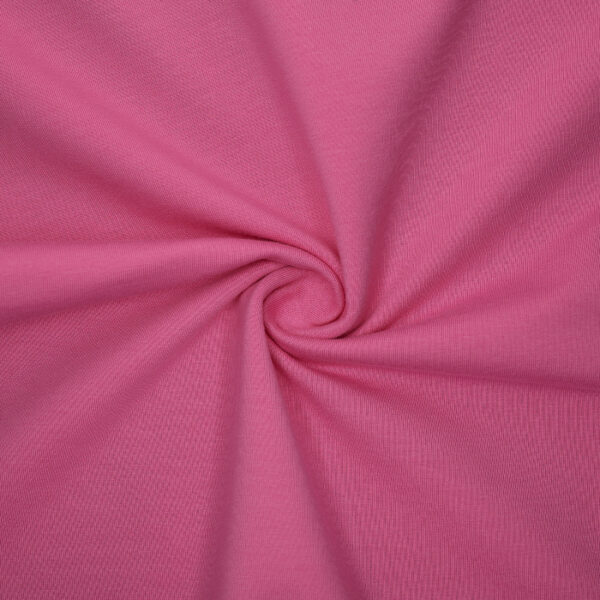
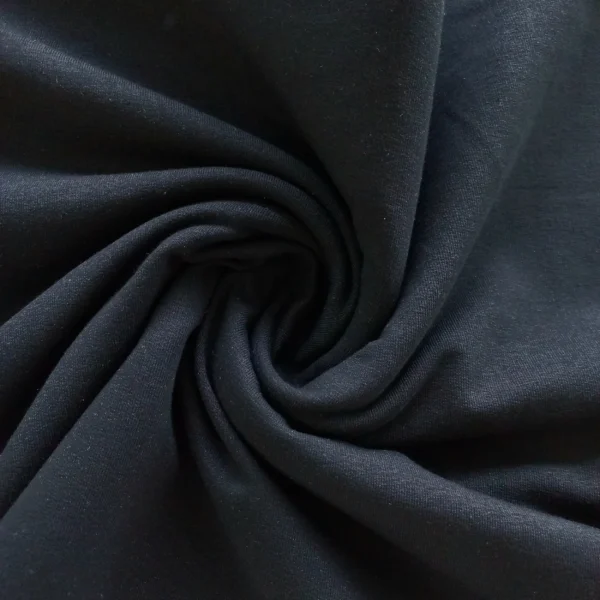
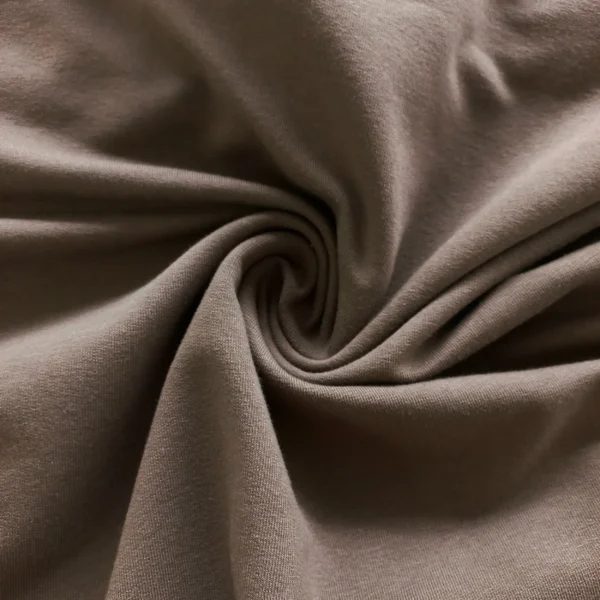
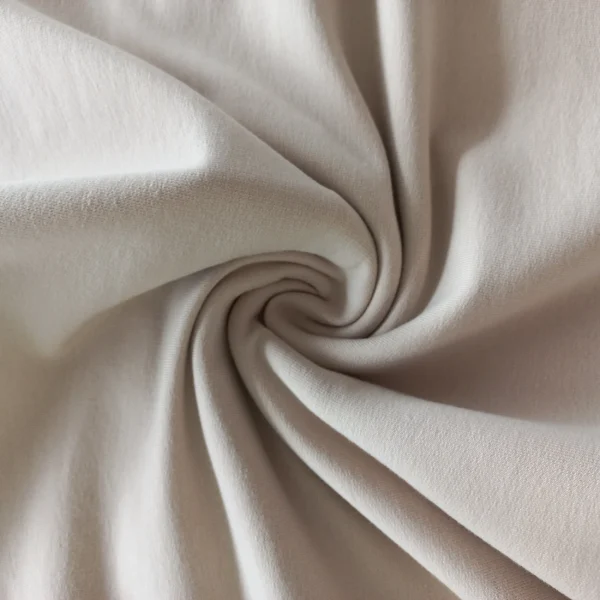



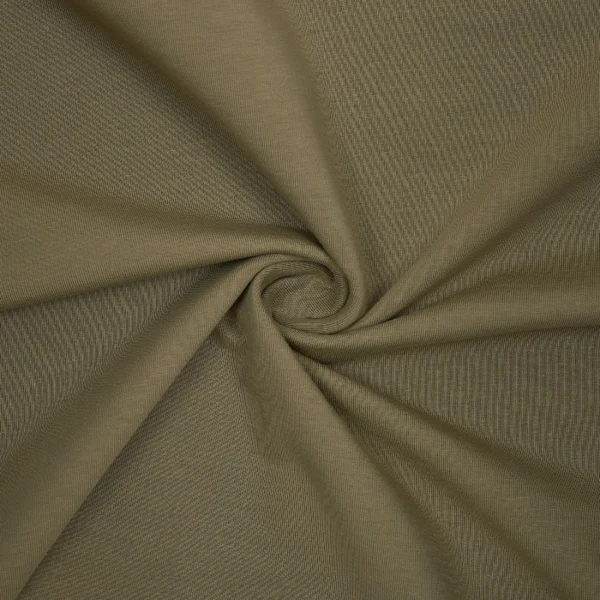
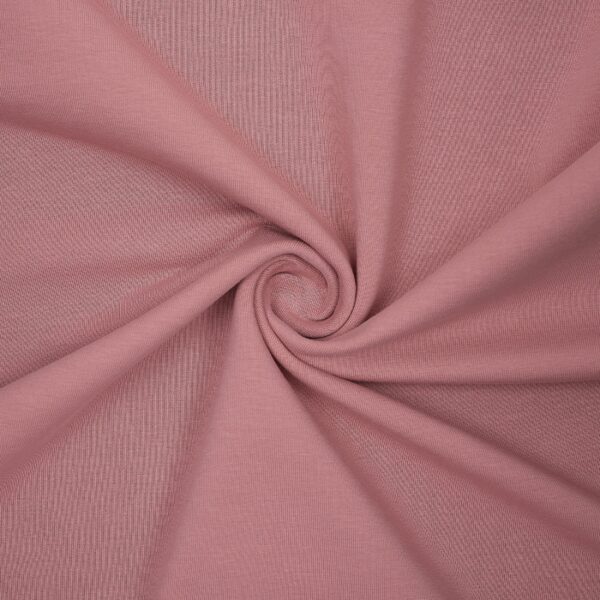
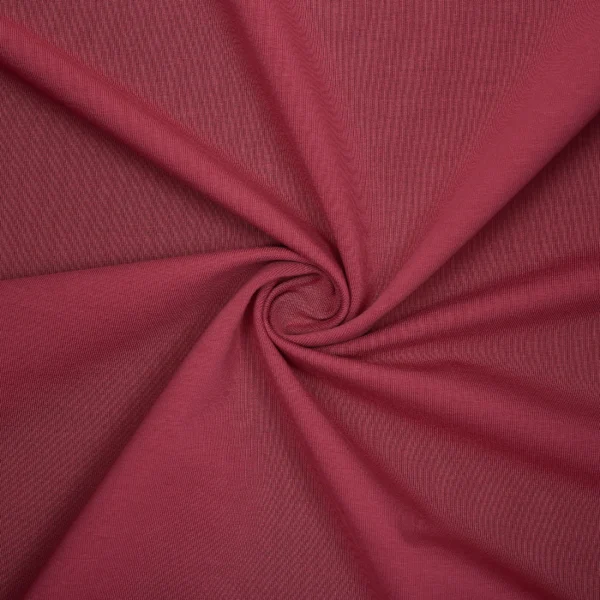
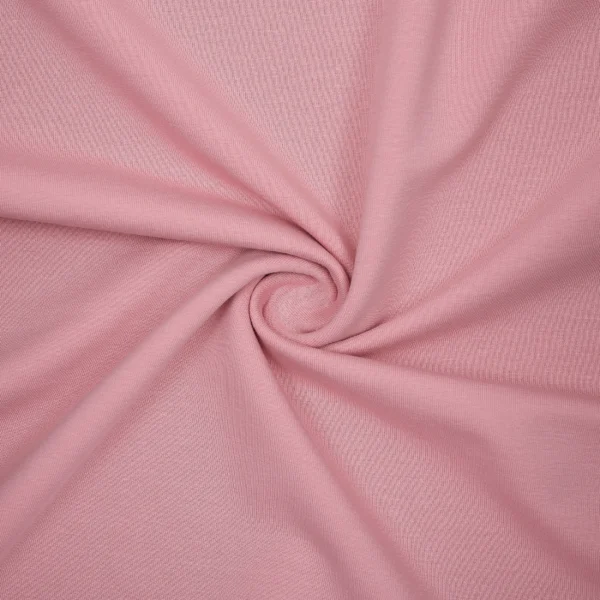


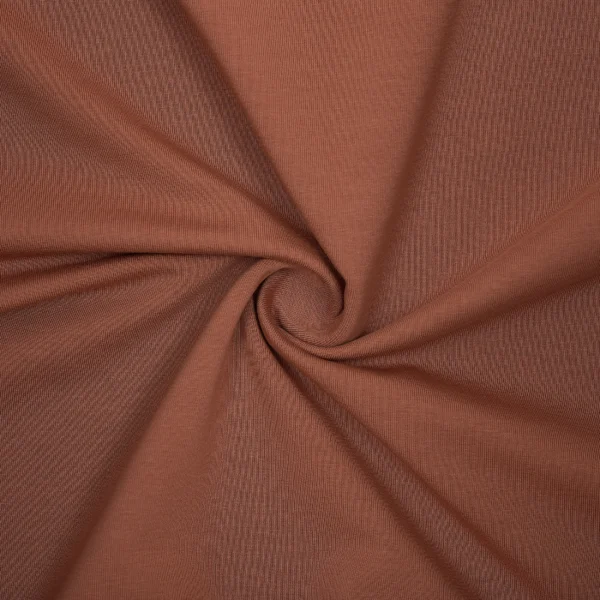
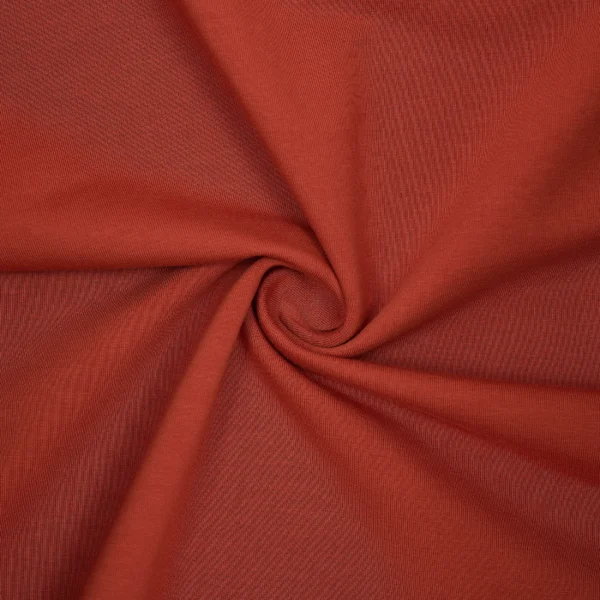
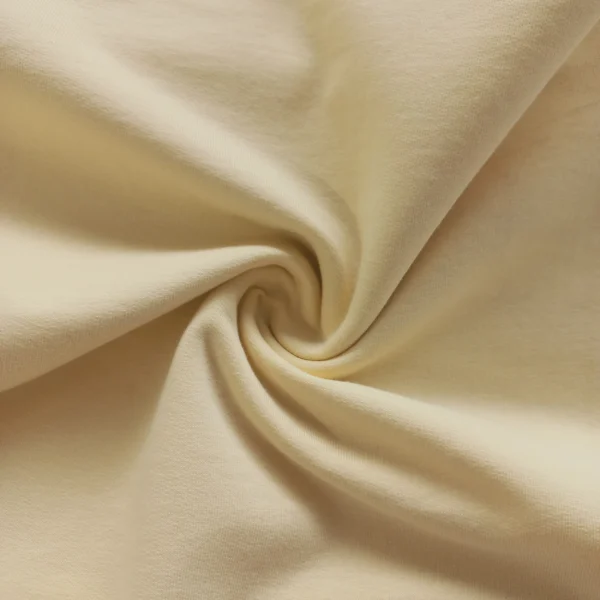
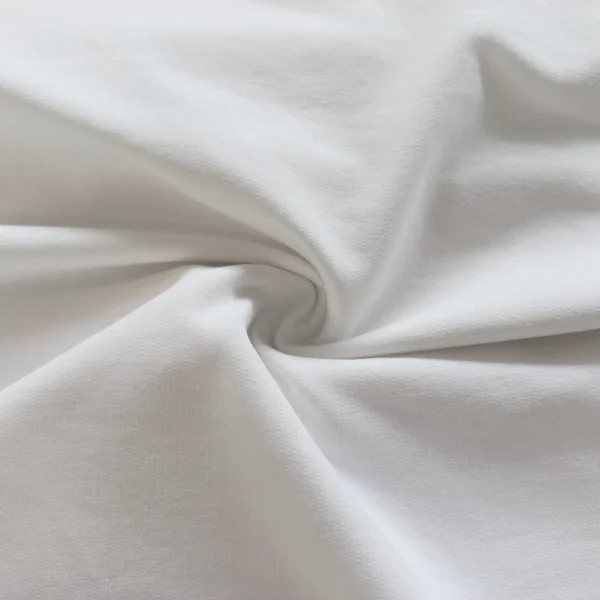
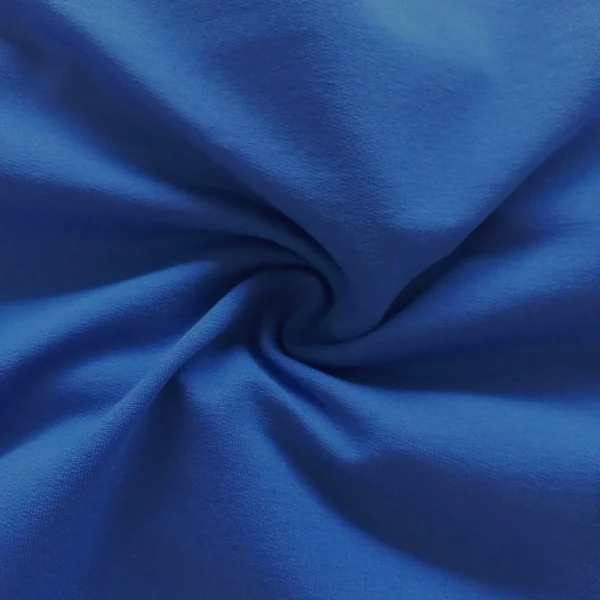
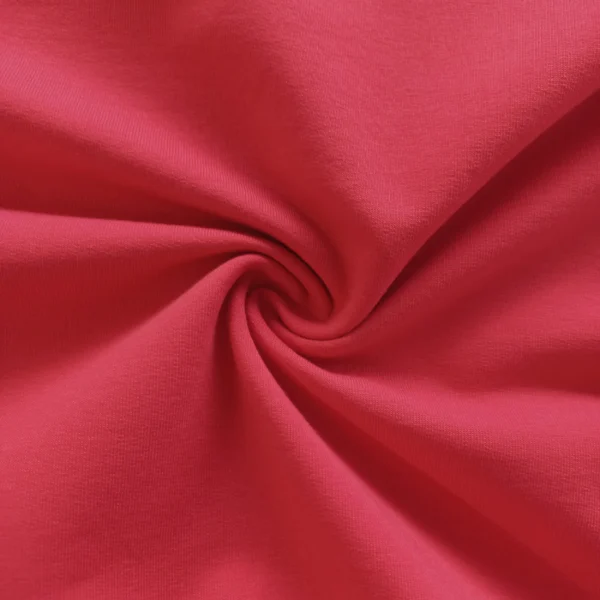
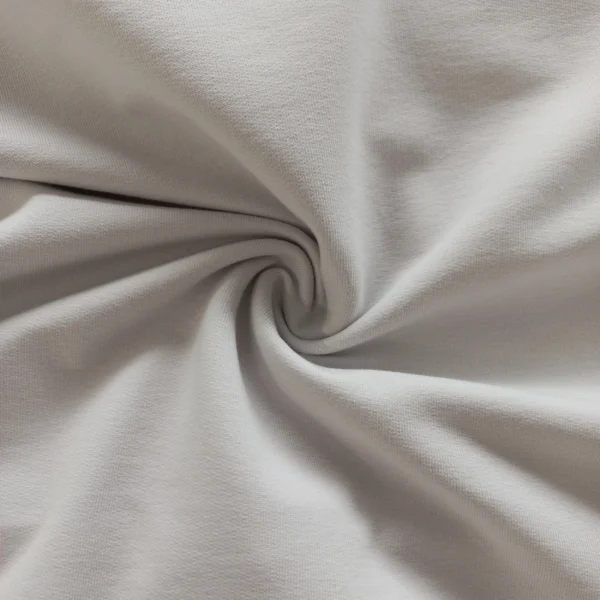
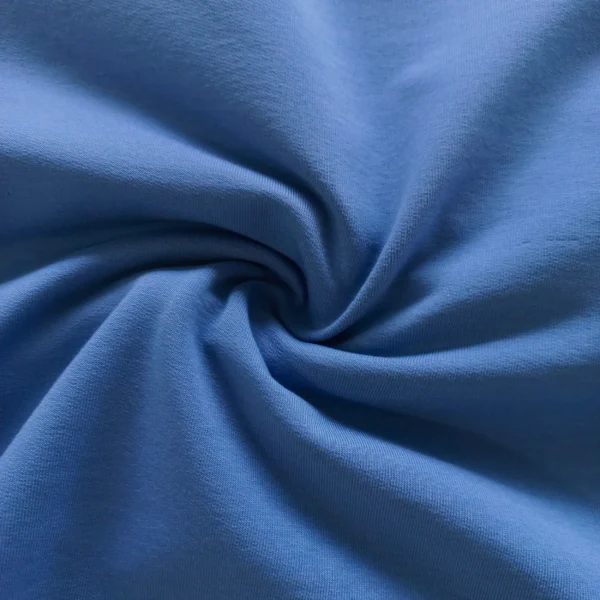
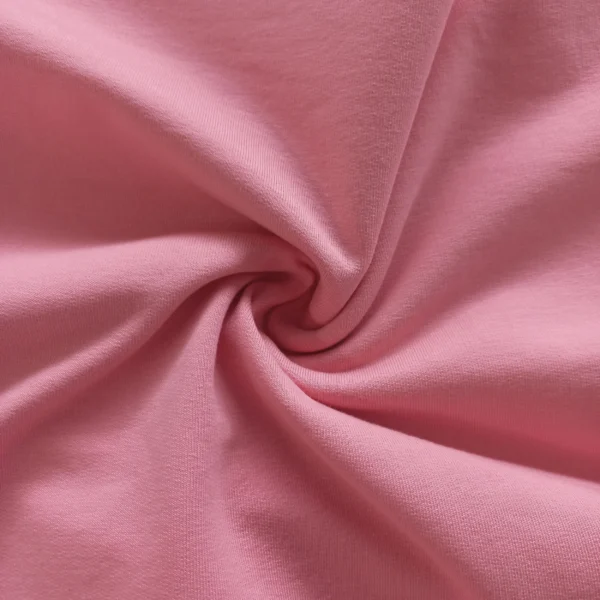
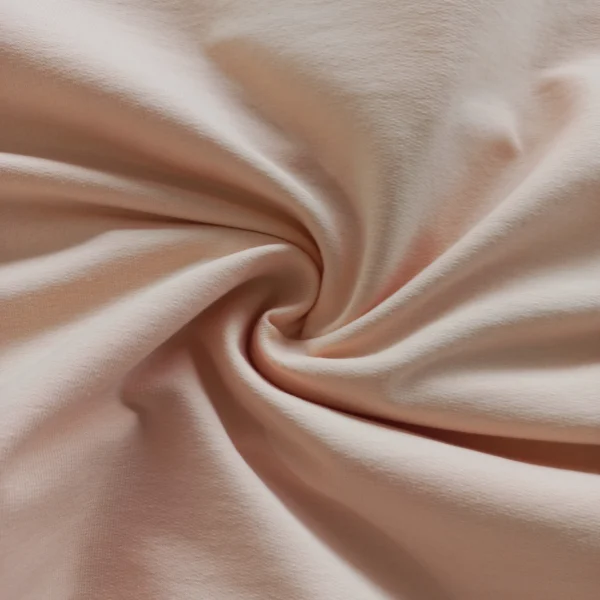
What is French Terry Fabric?
French terry gets its name from its distinctive knitted construction, which features a smooth outer surface and soft loops of yarn on the inside. The term “terry” refers to these uncut loops, similar to those found in terry towelling, while “French” is part of the traditional name used to distinguish this lighter, single-sided loop fabric from heavier terry cloth. Despite its name, French terry is not necessarily made in France.
Why Choose French Terry?
French terry offers an excellent balance of comfort and practicality. It is softer and lighter than traditional fleece, making it suitable for layering and year-round wear especially in summer. Its naturally stretchy knit construction allows for ease of movement, while its durable structure helps it retain its shape even with regular use and washing.
French Terry with Elastane – What Does the Blend Add?
Cotton French Terry is soft and breathable, but cotton on its own can gradually stretch at cuffs and necklines. Adding a small amount of elastane improves recovery, helping the fabric adapt to the body and return to its shape after wear and washing. Polyester can shorten drying time and help maintain colour intensity, while viscose blends can create a softer, more fluid French Terry with a cooler hand, often chosen for lighter-weight sets and casual garments.
FAQ’s
Is French terry suitable for sweatshirts and hoodies?
Yes, French terry is widely used for sweatshirts, hoodies and other casual garments. Its soft texture and comfortable structure make it ideal for relaxed clothing.
Is French terry fabric warm?
French terry provides lightweight warmth without being excessively heavy. It is suitable for transitional seasons and layering, although warmth may vary depending on the fabric weight and composition.
Does French Terry Stretch?
Yes, French terry has a natural amount of stretch due to its knit structure. Fabrics blended with elastane provide even greater flexibility and shape retention.
How does French terry compare to fleece?
French terry has a looped inner surface and is generally lighter and more breathable, while fleece typically has a brushed, fluffy surface designed to provide additional warmth. French terry is often chosen for lightweight casual clothing, while fleece is popular for colder weather.
 Garment Type
 Blouse
 Coat
Coat Dress
Dress Hat
Hat Hoodie
 Jacket
 Leggings
 Pyjama
 Shirt
Shirt Shorts
 Skirt
Skirt Sweater
 Swimwear
 Trousers
 T-shirt
 Vest
Vest Fabric Type
 Knitted
 Woven
Woven Seasons
 Summer
 Winter
 Collection
 Occasion Wear
 Business Wear
 Active Wear
 Casual Wear
 Decorative
