

Fashion Diary
Alpaca-style fabrics – differences and uses

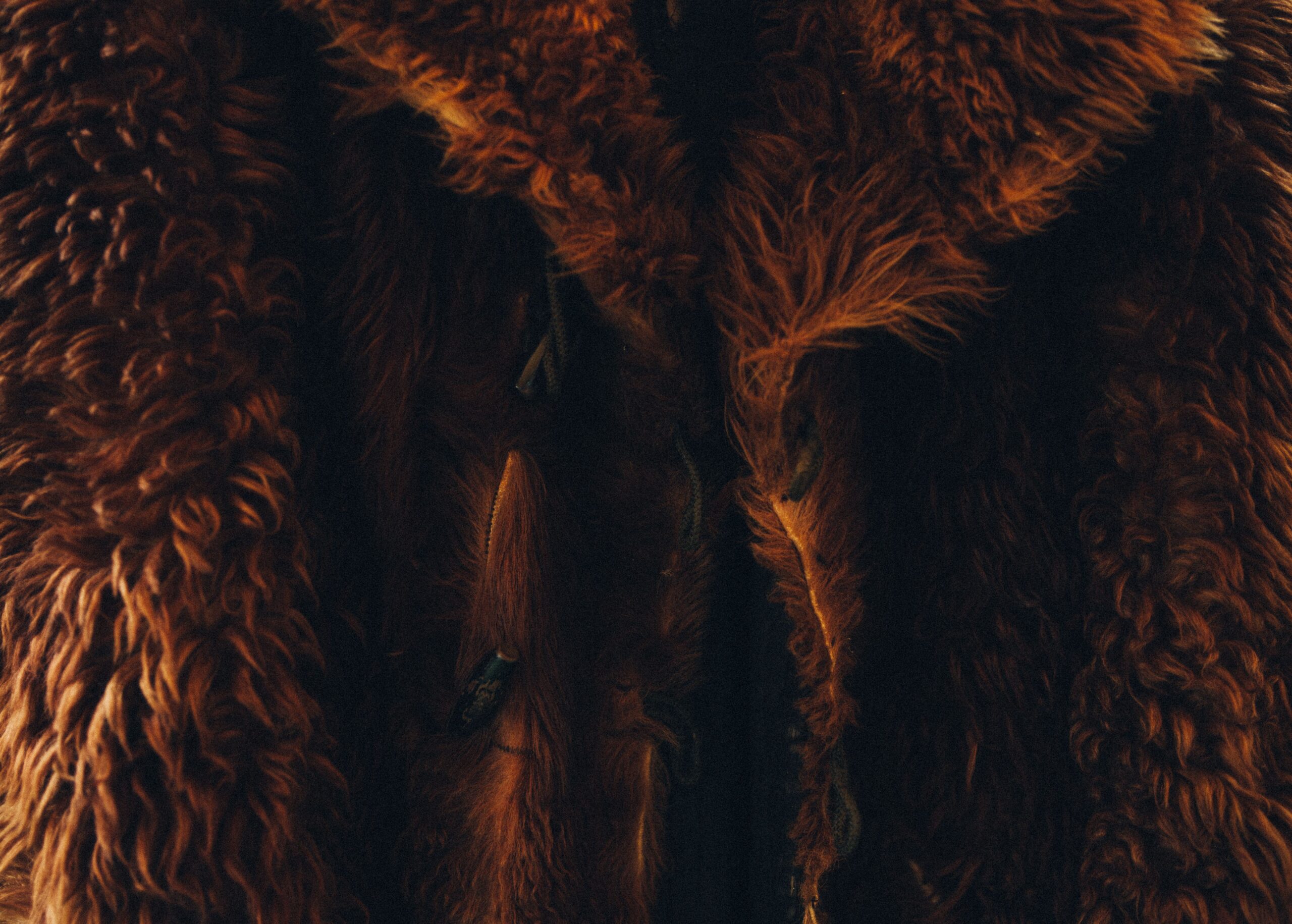
Brushed, softly napped cloth reads like animal fibre at first touch, yet the composition field on these product pages says polyester or nylon. The name alpaca-style fabric describes a surface finish, and the exact composition comes from each individual product card. Three coat-weight knits sit behind that name at Fashion Tree: polyester micro alpaca, polyester alpaca and a nylon-polyester version. Compare them by weight, width and behaviour under the needle!
Worth knowing before you choose:
- One card sits elsewhere: the nylon-polyester version lives in the faux fur category.
- Weight: 380, 400 and 420 GSM, each figure taken from a different card.
- Width: either 150 cm or 155 cm, depending on the version.
- The nap runs one way: plan the layout before any cutting starts.
- Careful aftercare: low heat and no wringing keep the pile standing.
What does the name “alpaca-style fabric” mean?
The name points to what brushing does to a knit: a short, soft pile and a plush hand. Every product card in our range states composition and weight, and across alpaca-style fabrics the stated composition is polyester or a nylon and polyester blend. Under EU rules the fibre name alpaca belongs to the hair of the animal, so alpaca material in this sense describes the surface.
What matters at the cutting table is what that construction does. Polyester and nylon hold their shape and absorb little water, so the cloth creases less and usually dries faster than an absorbent one. The pile, however, has a direction, and that changes how pattern pieces are laid out.
How do alpaca-style fabrics differ at Fashion Tree?
Three things separate the versions: pile density, weight per square metre and the garment type named on the card. Figures from one card do not travel to its neighbour – the same family holds different weights under near-identical names.
Polyester micro alpaca
The pile here is short and densely set, giving a plush surface rather than a shaggy one. The card for polyester micro alpaca lists 100% polyester, 400 GSM and a 150 cm width, and describes a richer, thicker construction than the 350 GSM version. This micro alpaca fabric still keeps enough give to drape naturally, which shows on coats with a loose front.
Polyester alpaca
The card calls this version lightly structured and easy to sew at the same time, which usually means calm work on straight seams. Polyester alpaca-style fabric in grey comes in at 380 GSM on a 150 cm width, all polyester. Among its uses the card names lapels, collars and hoods, the pieces where a clean edge counts.
Nylon-polyester alpaca
Only one of the three cards uses the word shaggy alongside brushed and plush. Nylon-polyester alpaca-style fabric combines 65% nylon with 35% polyester at 420 GSM and 155 cm wide, and its card sets out warmth and volume alongside comfort and durability. In our shop this one sits in the faux fur category, which is where the rest of its colours live.
How do weight and width shape your choice of alpaca knit?
Weight tells you how much a square metre carries; width tells you how many pieces fit side by side once the nap runs one way. Read the two together, because heavier coating material on a narrower roll behaves differently on the table.
What the three cards state:
- 380 GSM, 150 cm – polyester alpaca, the lightest of the three; its card calls it lightly structured and easy to sew.
- 400 GSM, 150 cm – polyester micro alpaca; its card describes a short, plush surface with enough give to drape.
- 420 GSM, 155 cm – nylon-polyester alpaca, the heaviest and the widest, with room for a voluminous shape.
Those five extra centimetres only show up once the pattern is laid out: sometimes a sleeve fits beside a front piece, sometimes nothing changes at all. Nap direction moves the layout more than width does. Work out the layout on your actual width first, then order alpaca fabric by the metre.
What can you make from alpaca-style fabric?
All three cards point these knits towards outerwear, and the nylon-polyester card adds jumpers to that list. A garment meant to fall softly asks for something different from one built on a defined line.
Coats and jackets in alpaca knit
Any of the three works as an alpaca-style coating fabric – no card rules outerwear out – and the feel of the finished piece comes from the way each surface is described, not from the gap in weight. Within the range of coat fabrics these knits sit next to woven cloth, and the difference shows mainly in how soft the outline stays. Match the cloth to the pattern: a simple, generous cut takes more weight, while a fitted coat with many seams pulls harder on a knit.
Cardigans, jumpers and waistcoats
Softness leads here, together with the way a knit behaves when the front hangs open. Cardigan fabric with real body is where the nylon-polyester version comes into its own, since its card names jumpers alongside coats and jackets. A waistcoat or a heavy cardigan comes out warm and roomy, much as the card describes that version, though a sleeve in the same knit takes up real space, so widen the armhole.
How do you sew alpaca-style fabrics?
Preparation sets the tone with any alpaca-style fabric: the pile has a direction, and mismatched pieces reveal their shade difference only on the finished garment. Run your hand across the surface – one way it lies flat, the other it pushes back. Lay every pattern piece in the same direction, and with a longer pile usually with the nap running down.
A working order for napped knits:
- Direction test – stroke the cloth and chalk an arrow on the wrong side.
- Layout – set all pieces one way, even when it costs an extra metre.
- Cutting – cut a single layer so the pile does not shift under the blade.
- Seam trial – join a scrap and settle the stitch length before the real seam.
A longer stitch and a walking foot handle these knits well, and a universal 80 or 90 needle is usually enough. After stitching, comb the trapped pile out of the seam with a needle or a soft brush and the join stops showing.
Does alpaca-style fabric need a lining?
None of the three versions has to be lined, and the decision follows the cut. A soft coat in micro alpaca loses some of its fall once the body is fully lined, so loose coats often get sleeve linings only. With the longer-pile nylon-polyester version, a smooth sleeve lining simply makes the coat easier to put on.
A lining earns its place when:
- The sleeve is narrow – the arm slides in without catching on the pile.
- The shape must hold – lining the body steadies the front and the lapel.
- Seams should be hidden – knit edges curl, and a lining closes them without binding.
How do you care for alpaca knit?
With napped knits, caution serves better than any particular wash programme. Polyester and nylon dislike high heat, so a hot iron can flatten or melt the pile for good. Low temperature, a gentle cycle and flat drying without wringing keep the surface standing longest.
When a coat only needs freshening, airing it and brushing the pile through is usually enough. For creases, hold steam at a distance, and if an iron has to touch the cloth, press from the wrong side through a thin press cloth.
Which alpaca-style fabric suits your project?
The surest test is the job the finished garment has to do: a soft fall, a crisp edge or warmth with volume. Each of the three cards names its own uses plainly, so compare those descriptions rather than the figures in the spec line. Choose for the shape you have in mind, not for the largest number on the card.
Frequently asked questions about alpaca-style fabrics
Does alpaca-style fabric contain alpaca fibre?
No – the composition field on the card and the label on your length settle that every time, which matters if animal wool irritates your skin.
Is alpaca knit suitable for a coat?
Yes, though a knit coat behaves differently from a woven one: stay the edges and the shoulder seams so the front keeps its length in wear.
How much alpaca-style fabric do you need for a coat?
A one-way layout takes more cloth than a free one, so allow a little extra on top of your usual estimate.
Does alpaca-style fabric stretch?
These are knits, so the looped structure gives under pressure, and the micro alpaca card mentions enough give to drape.
How do you wash alpaca-style fabrics?
Always to the label on the length you bought, and test a scrap before the finished garment goes near a machine to see how the pile recovers.
 Garment Type
 Blouse
 Coat
 Dress
 Hat
 Hoodie
 Jacket
 Leggings
 Pyjama
 Shirt
 Shorts
 Skirt
 Sweater
 Swimwear
 Trousers
 T-shirt
 Vest
 Fabric Type
 Knitted
 Woven
 Seasons
 Spring/Summer
 Autumn/Winter
 Collection
 Occasion Wear
 Business Wear
 Active Wear
 Casual Wear
 Decorative

