

Fashion Diary
Polyester fabric – when is it a better choice than natural fabric?

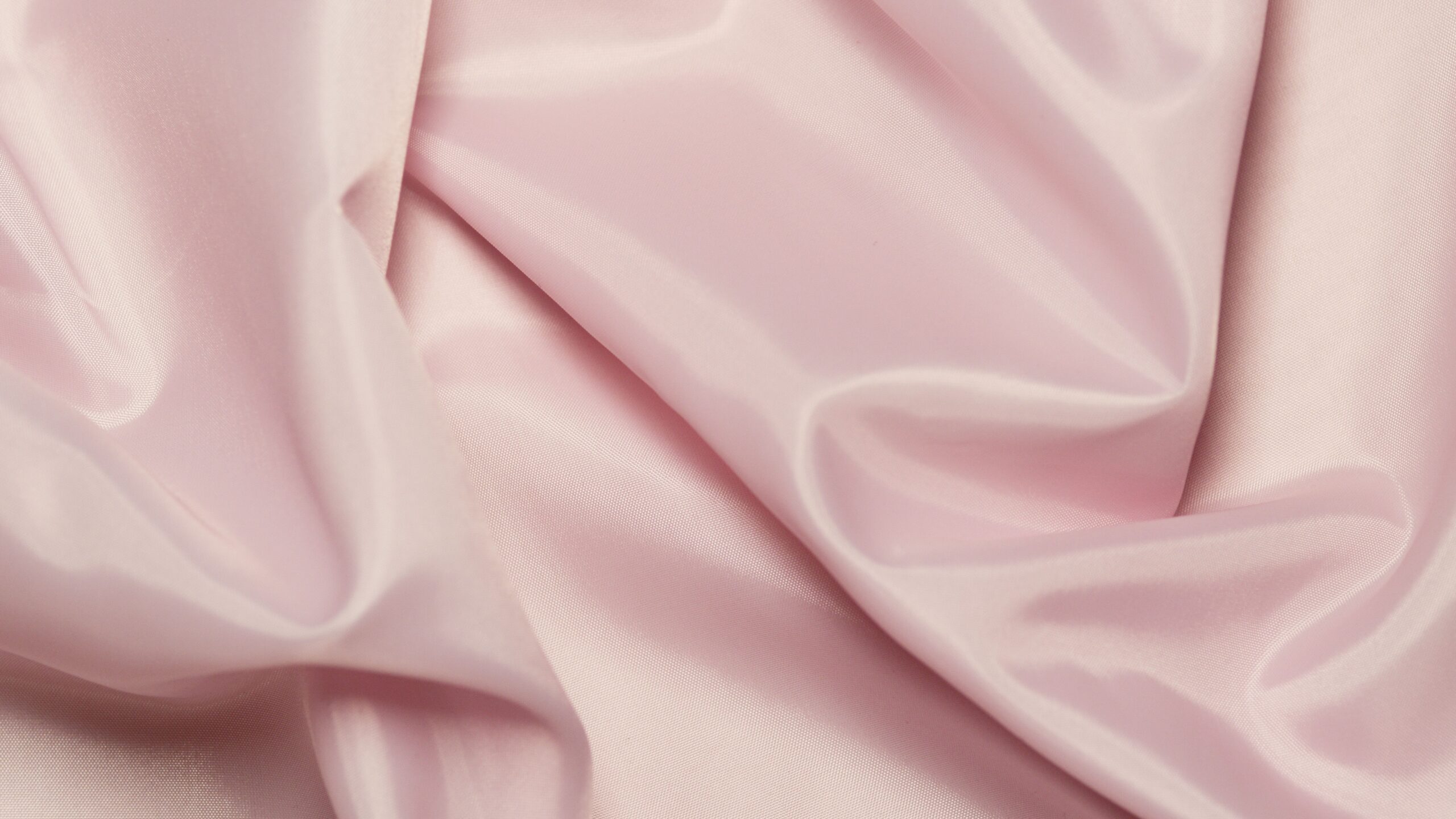
A fabric chosen for the way it looks on the bolt can disappoint a few washes later: the colour fades, the hem ripples and a carefully made garment loses its line. The usual cause is a single assumption – that a natural fibre serves every project better. Polyester fabric often turns out to be the more sensible pick, and just as often cotton wins, because the answer follows the purpose of the garment, its weave and finish. Read on and learn to tell the two apart before you cut into your fabric!
What actually drives the choice of fibre:
- Purpose of the garment: how often it will be washed and whether it has to hold a shape – that comes before the label.
- How it handles moisture: polyester takes up very little water, so it dries quickly.
- Creasing: like for like, polyester sets a fold far less readily than untreated cotton.
- Care: lower washing and ironing temperatures, with more caution around the tumble dryer.
- A third route: viscose is a regenerated cellulose fibre and behaves like neither of the other two.
What is polyester fabric?
Polyester is a man-made fibre spun from a polymer related to the one used for PET bottles. In the workroom the more useful distinction is between the fibre and the cloth made from it: the same raw material becomes either a fine continuous filament or short staple lengths that, once twisted, feel close to a woollen yarn. The weave or the knit structure then decides whether the finished cloth drapes and feels cool, or sits firm and holds a line.
One word therefore covers materials of very different character. Our polyester fabrics run from smooth surfaces to piled ones – brushed, looped or covered in dense fibre. The word polyester on a label says little about how the cloth will behave once it is made up.
Polyester fabric versus natural fabric – what decides the choice?
What matters most is how the garment will be worn and washed. Four properties account for most of the difference: moisture behaviour, response to creasing, dimensional stability after washing and care requirements. Treat each of them separately, because they seldom line up on the same side.
Polyester fibre absorbs very little moisture – water stays mainly on the surface and between the yarns, which is why the cloth dries fast and shifts little in size after a wash. Cotton takes up many times more, swells and releases it slowly, a help on a cool day and a burden in real heat.
In a comparable construction polyester springs back after being folded, because the fibre is resilient and thermoplastic, whereas untreated cotton sets a crease once damp. The same property cuts both ways: excessive heat from an iron or a dryer can distort the cloth for good or press an unwanted sheen into it.
When is polyester fabric the better choice?
A synthetic fabric earns its place where a garment has to survive frequent washing, keep a deliberate shape or carry strong colour and decorative texture. The three situations below come up most often in practice.
Clothes washed often
Garments that go into the machine every few days suffer most from size shift and tired colour. Polyester cloth dries faster and reacts less to water, so a garment made from it usually keeps its original cut through repeated low-temperature washing. That covers sportswear, linings and children’s clothes, which nobody washes gently. One condition applies: follow the care label, since hot washing and tumble drying do most of the damage here.
Projects that need to hold their shape
A jacket, a straight skirt or a structured coat all rest on cloth that will not stretch under its own weight. Fibre resilience works together with fabric weight here: the heavier the cloth, the more confidently it builds a line, and the less forgiving it becomes around narrow darts. Knits made for coats and firm, structured surfaces are now very often made from polyester, which pairs resistance to distortion with a sensible weight in the finished piece.
Colour and decorative finishes
Polyester takes dye at high temperature, so the colour sits deep inside the fibre and fades less in the wash than a surface dye would. Shine is not a fixed trait – it follows the type of yarn, the way it has been textured and the finish applied, which is why matt cloths sit on the shelf beside satin ones. Decorative textures come from the same fibre family too: suede effects, looped bouclé and surfaces with a dense pile.
When is natural fabric the better option?
Natural fibres come into their own where cloth has to manage moisture and stay against the skin for hours. Cotton fabrics are built on a fibre that takes up moisture and releases it gradually, and the washing and ironing temperatures it will accept are on the care label of the particular cloth.
Reach for natural fabrics first when:
- The piece sits against the body all day – underwear, shirts worn next to the skin, nightwear.
- The project is for a baby or for sensitive skin, where softness and moisture handling come first.
- The cloth will be washed hot, as bedding and kitchen textiles usually are.
- A relaxed crease is part of the look, the way it is with linen and heavier cottons.
The polyester vs cotton choice does not always need one answer. A cotton polyester blend keeps much of the absorbency of the plant fibre while creasing less, and the ratio of the two shifts the character of the cloth one way or the other. It suits shirts, everyday dresses and anything that should look tidy without daily ironing.
Polyester, cotton or regenerated cellulose fibre?
A third group slips out of view once the conversation narrows to natural against synthetic. Viscose is a regenerated cellulose fibre: plant cellulose put through a chemical process, which makes it neither a natural fibre in the strict sense nor one of the synthetic materials. On the cutting table it makes its own demands.
Each of the three has a different strength:
- Polyester – colour retention, quick drying and a steady shape under frequent washing.
- Cotton – moisture handling and tolerance of higher washing and ironing temperatures.
- Viscose – a soft fluid drape and absorbency close to cotton, with more care needed in the wash.
In practice the decision starts with the silhouette. Viscose fabrics go into projects where the cloth should flow and fall into soft folds, cotton suits pieces worn close to the body and polyester works for anything meant to hold a line. Each group sits in its own category in our shop, so the three are easy to weigh against one another before you settle on a length.
How to assess polyester fabric before buying?
Begin with the product page, because that is where the figures you cannot see in a photograph are listed: composition, weight and width. Weight tells you whether the cloth is light and fluid or firm enough to build structure, and width feeds straight into how many metres a given pattern will need. Composition points to the extras: a few per cent of elastane changes the stretch under the presser foot.
Read those figures on the specific material you are buying, as they differ within a single family. Pages in the woven fabrics range also describe texture and surface, and most of our fabrics carry the OEKO-TEX STANDARD 100 certificate. A sound choice starts from what the project has to do: ask what the garment has to survive over the coming year, then judge composition alongside weave and finish.
Frequently asked questions about polyester fabric
Is polyester fabric breathable?
Judge it from the product page rather than the fibre content: a tightly woven surface and a coated finish will breathe less than an open structure.
Does polyester always build up static?
The tendency grows in dry air and on smooth, tightly woven surfaces, and it drops with antistatic finishes and in blends with absorbent fibres.
Polyester or cotton – which creases less?
At a similar weave and weight polyester holds fewer creases, although cotton with an easy-care finish comes close to it.
Does polyester fabric work for a dress?
It depends on the silhouette: fine fluid knits suit dresses with a gathered skirt, while heavier cloths belong in shapes meant to stand away from the body.
How should polyester fabrics be washed?
Follow the care label on the specific cloth: usually a synthetics programme at a low temperature and an iron set to the polyester mark. Use the tumble dryer sparingly, as too much heat polishes the surface into a sheen.
 Garment Type
 Blouse
 Coat
Coat Dress
Dress Hat
Hat Hoodie
 Jacket
 Leggings
 Pyjama
 Shirt
Shirt Shorts
 Skirt
Skirt Sweater
 Swimwear
 Trousers
 T-shirt
 Vest
Vest Fabric Type
 Knitted
 Woven
Woven Seasons
 Spring/Summer
 Autumn/Winter
 Collection
 Occasion Wear
 Business Wear
 Active Wear
 Casual Wear
 Decorative
